The "Lavatoio Contumaciale" Cultural Information Centre was conceived and founded in 1974 by the artist Tomaso Binga (pseudonym of Bianca Pucciarelli Menna), together with her husband, the art critic Filiberto Menna, and the founding members Sergio Bergami, Fabio Bucciano, Ugo Cianciullo, Costantino Dardi, Giovanna Davia, Aldo Falivena, Modestino Fusco, Giovanni Gazzara, Mauro Lucaferri, Achille Mango and Lidia Pucciarelli, who each contributed to its realisation through their own areas of expertise.
In 1980 the Centre was established as an all-women's association, with the following members: Pierina Bachini, Adriana Cian, Iole Cianciullo, Carla Consiglio, Maria Teresa Consolo, Goldi Petzenbaum, Bianca Pucciarelli and Lidia Pucciarelli.
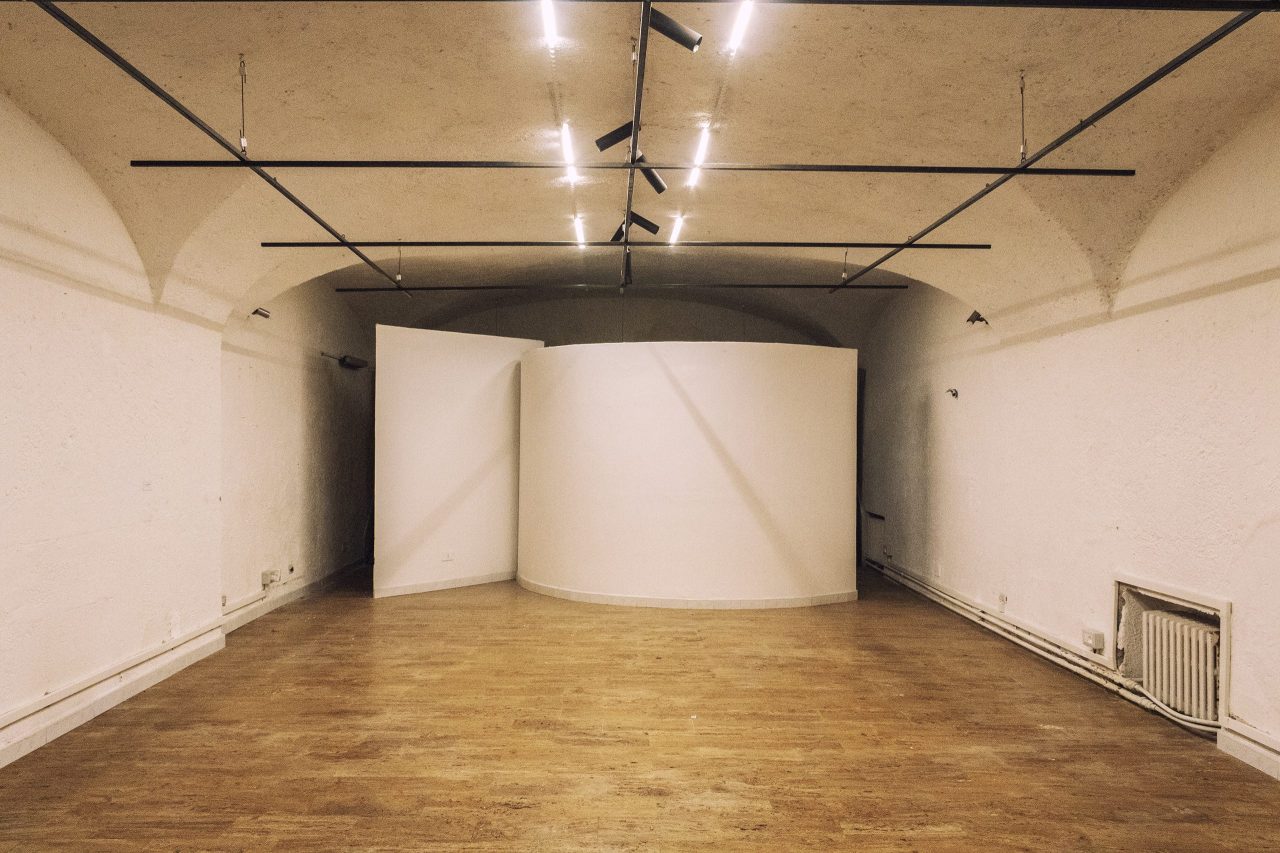
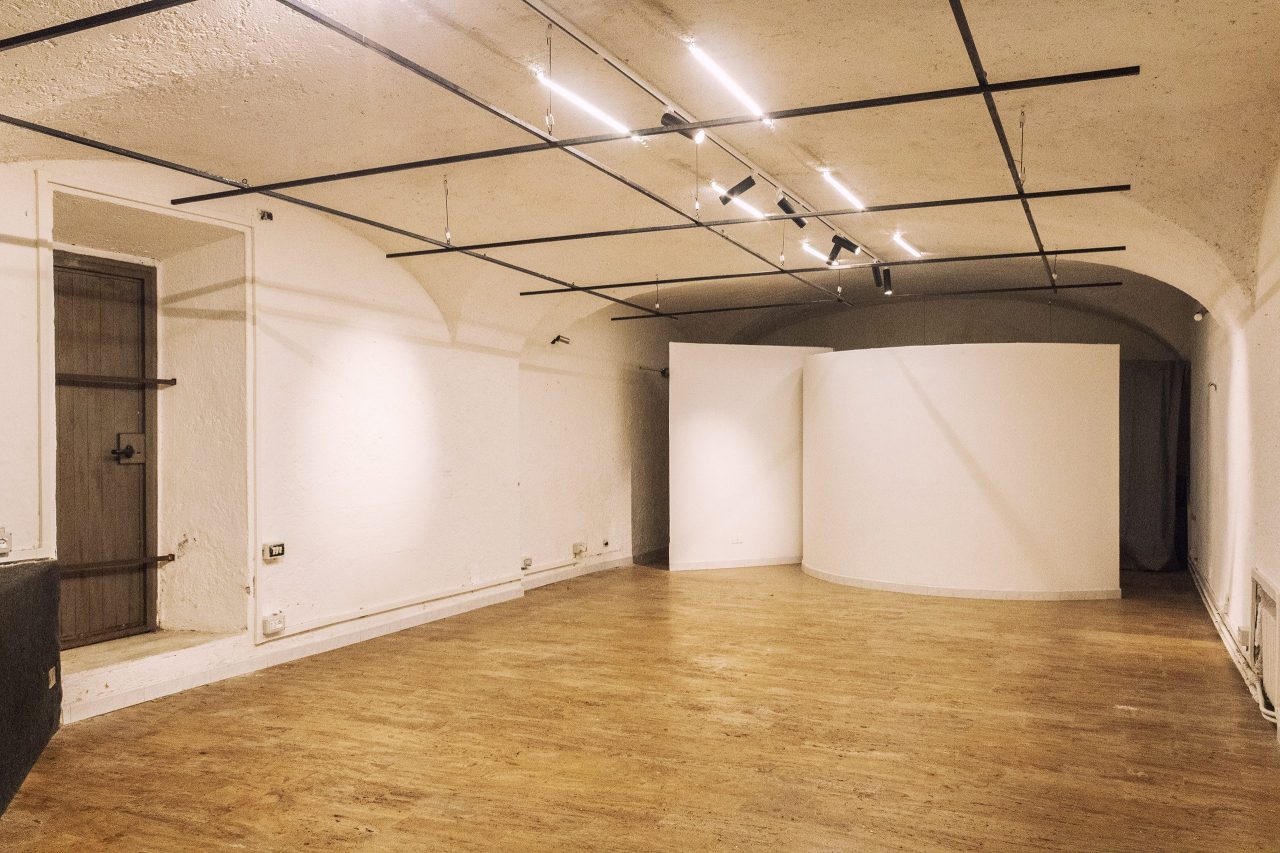
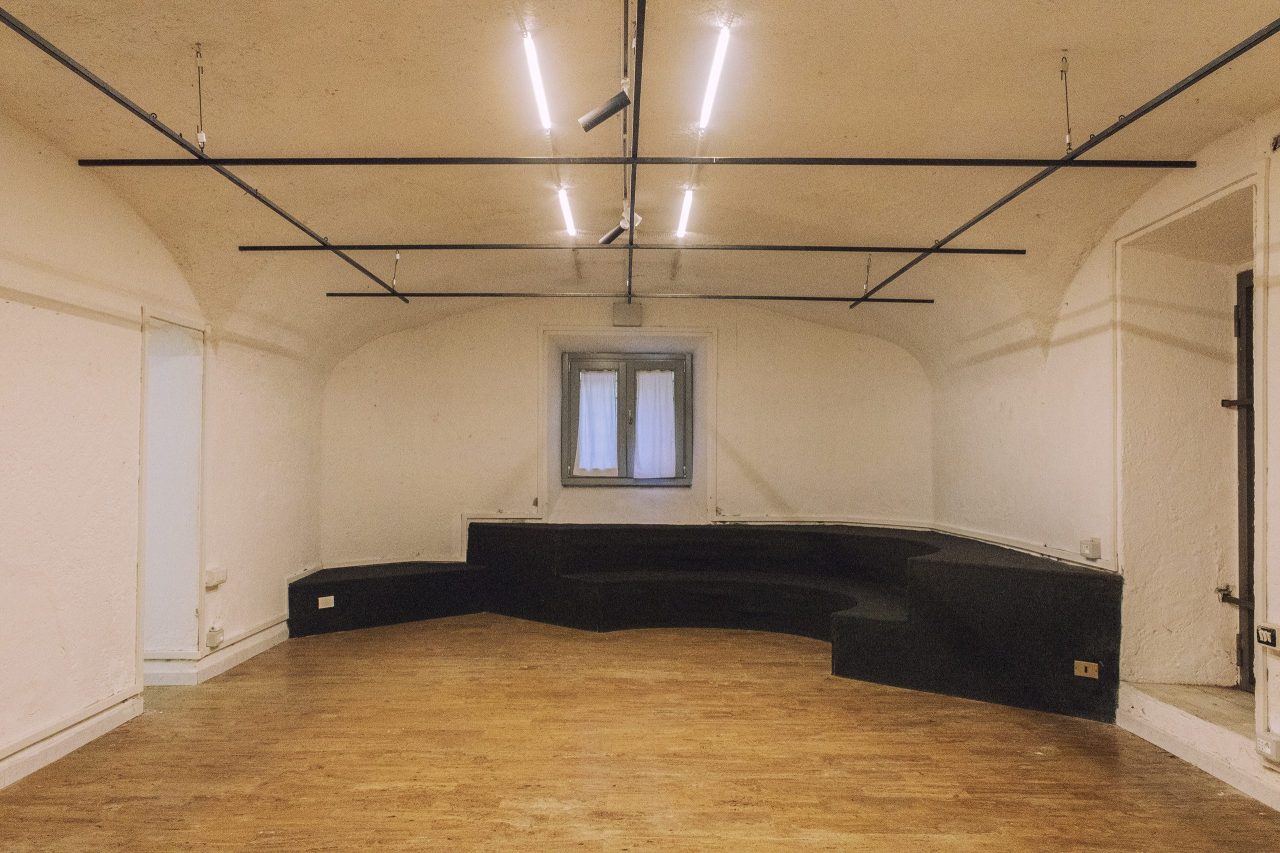
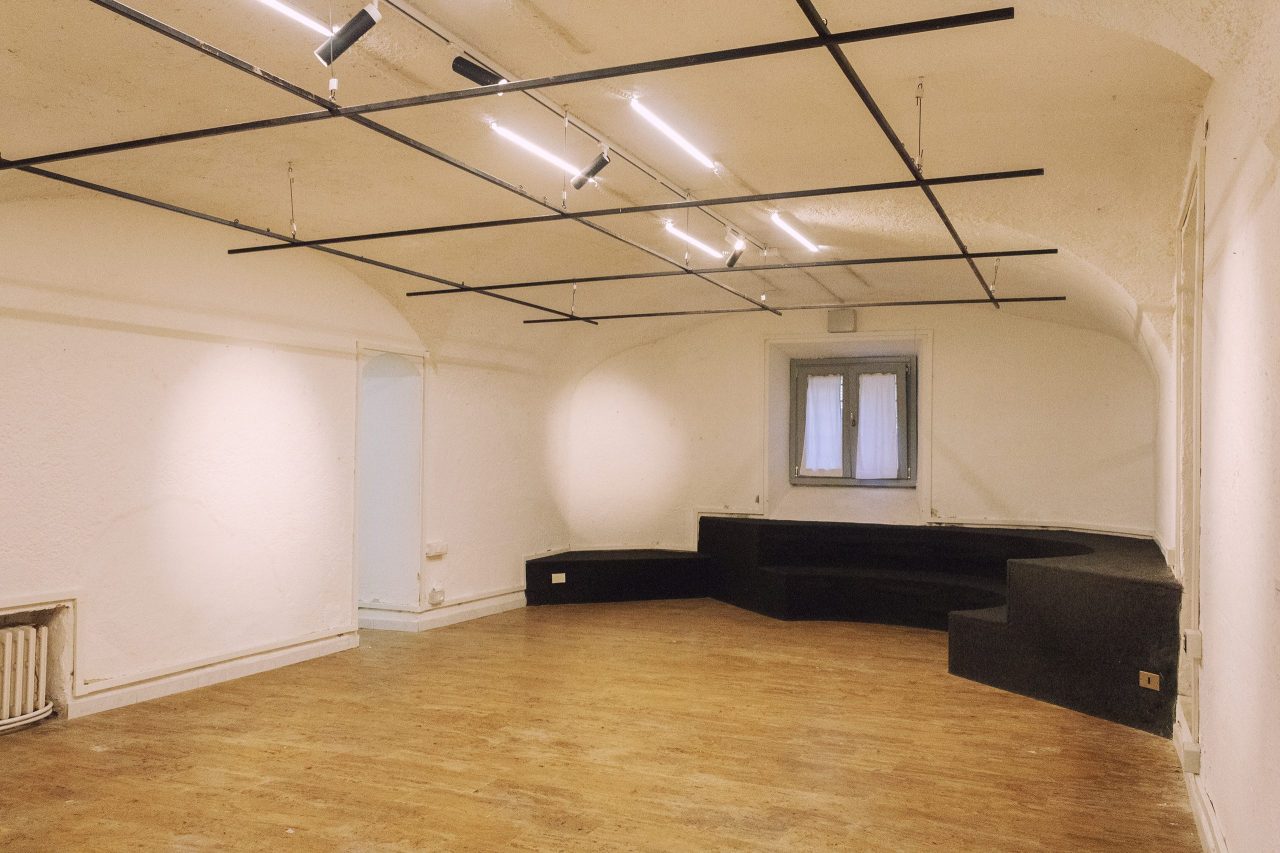
The Centre, run by a Steering Committee made up of Grazia Menna and Fabrizio Marzilli, is based in Rome, at Piazza Perin del Vaga 4, in the Flaminio district, inside a 1926 social housing building. It occupies the premises of a former lavatoio contumaciale — a quarantine wash house, where linen from homes affected by infectious diseases was boiled and disinfected — from which the association takes its name, both symbolically and as a mark of identity.
The interior, refurbished in 1974 to a design by the architect Costantino Dardi, consists of two rooms separated by a striking "wall/sculpture", from which the Centre's current logo is derived.
In recent years, the historic premises in Piazza Perin del Vaga have been joined by the Menna/Binga Archive, also in Rome, at Via dei Monti di Pietralata 16. With more generous spaces, this second venue hosts larger-scale events and initiatives.
Over more than fifty years of activity, the Lavatoio Contumaciale has established itself as an important place of cultural encounter and exchange, promoting from the outset an intense programme of events and debates on current affairs, literature, poetry, the visual arts, theatre, cinema and new media.
Participants are solely responsible for managing their own content and for obtaining the necessary permissions for the publication of any materials.
If you are the owner of this profile and do not wish to appear on Rome Art Directory, please contact info@romeartdirectory.com to request its removal.

Post
Story
Whatsapp