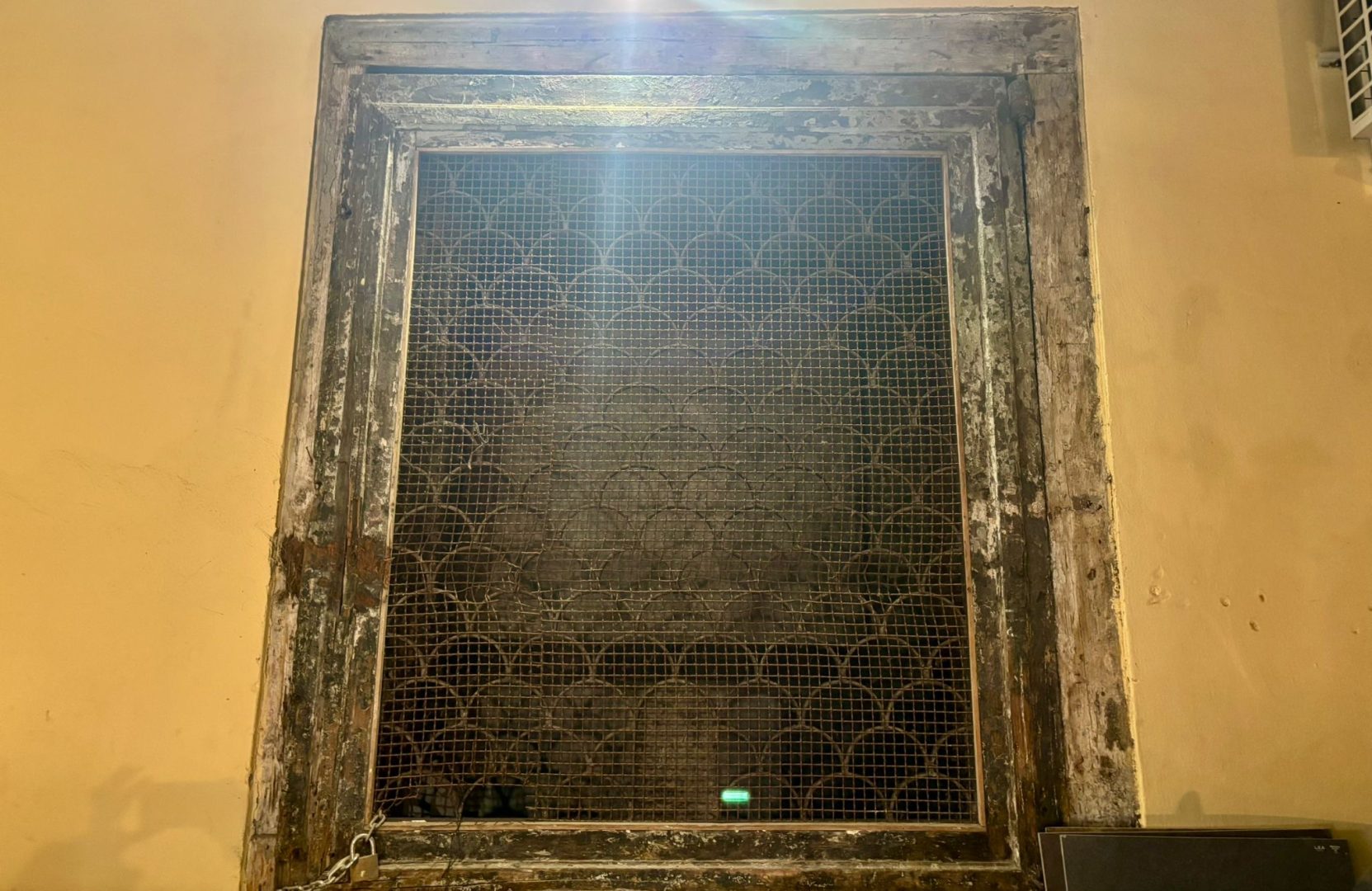
Popular devotion is also expressed through the intense spiritual need to reclaim a place of prayer along the streets, in keeping with Roman tradition. This is the inspiration behind the idea of installing a Contemporary Sacred Shrine on one of the streets in Rome’s historic centre, intended to replace the “Crucified Christ” which in 2002, for safety reasons, was removed from the Arch of the Cappellari by the Venerable English College to be kept thereafter in its own Crypt.
The work “Risen Christ for Peace” for the Votive Sacred Shrine, painted by Veronica Piraccini — artist and lecturer in Painting at the Accademia di Belle Arti in Rome — makes use of her invention of Imperceptible Invisible/Visible Painting, which appears and disappears both in the darkness of night and in daylight. It is therefore an innovative work, as it enriches popular tradition with the technological evolution of techniques — in this case, the Imperceptible pigments invented by the Artist that appear and disappear, and the security systems that did not exist when the first shrines were built.
The spirit of peace evoked by the depicted image is built starting from homes and streets, where people live, pray, meet and engage in dialogue, with mutual respect and appreciation for the diversity of peoples, cultures, and roles that tradition and nature have taught us to recognise as a source of richness.
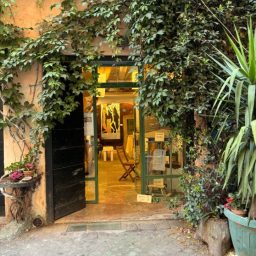
Galleria Pian dei Giullari — Associazione per la Regolarità, together with Veronica Piraccini, therefore considers it important to involve the residents of the neighbourhood in the creation of this new public installation, which requires the approval of the Municipality of Rome. The residents of the street and the neighbourhood, as well as citizens at large, are invited to discover the new work on Friday 24 April from 4:00 pm to 9:00 pm at the Gallery’s premises at Via dei Cappellari 49, and to express — through a Public Consultation — their recommendations on the location for the new Votive Sacred Shrine, destined to fill the void left by the absence of the “Crucified Christ” of the Cappellari.