Battle No War- Bella Ciao Bella Ciao Bella Ciao Ciao Ciao
This exhibition aims to give voice to a narrative of the War seen through the eyes of women, of their suffering, healing, caring for, protecting, hiding, in a word: taking risks.
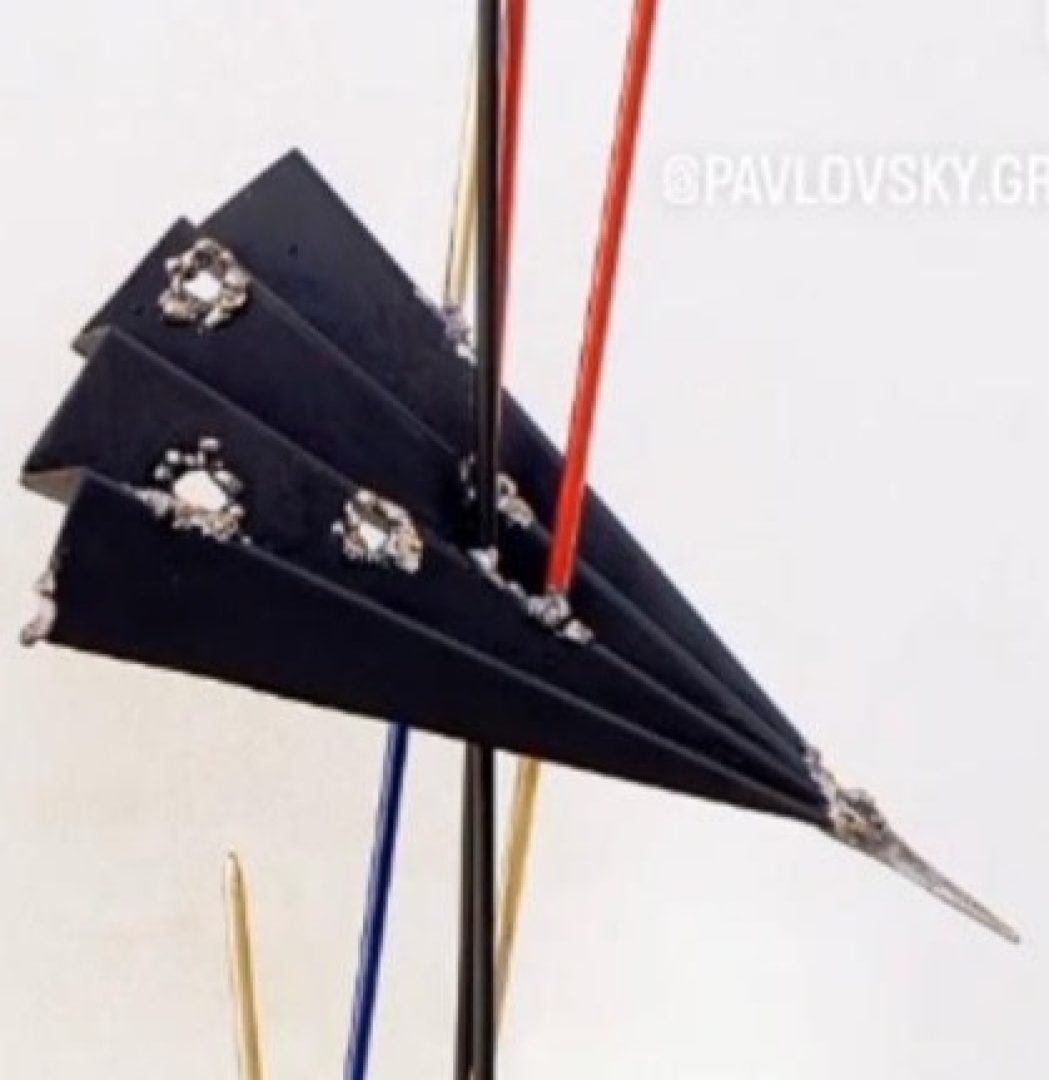
BATTLE, singular and feminine.

Bella ciao, bella ciao, bella ciao.

War is a man's business. When the Fatherland calls, when Power decides, it is mostly ordinary men who, willingly or unwillingly, are thrust into conflict and pay the harsh price of a decision made by those in high places who risk nothing. Throughout history, it is the "Great Men" who decree the word WAR, decided, fought, won, and lost by men. Women are subjected to men's choices, living in a condition of marginalization in political decision-making. However, women are not exempt from suffering the barbarities of war; they share the grief, the pain, the tears and blood, they endure the atrocities, and in Italy during the Second World War, they even participated in the partisan struggle alongside men, with equal risk, pain, toil, and courage. Gard dedicates the exhibition's subtitle to these women, while also remembering that the Beautiful were not always those greeted by the man who chose the partisan struggle, but also those who carried a rifle at his side.

This exhibition aims to give voice to a narrative of War seen through the eyes of Women, of their suffering, healing, caring, protecting, hiding—in a word: risking. The project's title symbolically plays on the syntax of the word "Battle," which lexically is a singularly feminine term, a play on words that transports, through grammar, the Battle from the Masculine to the Feminine universe. The hope is that men and women of Power will embrace the culture of nonviolence, of welcome, and of kindness proposed as a way of life, a culture that sterilizes the womb of warmongers to amplify the fertility of pacifism.

It should also be clearly stated that the choice of the theme of this exhibition in the historical period we are living in is not at all coincidental. On the contrary.
Organisers
Artists
Structures

Share on Whatsapp, click and then choose up to 5 contacts at a time to share this page with.
WHATSAPP